
Punta Rassa Lawn Mowing Services
Choose our lawn mowing service for reliable, professional results that keep your yard looking its best all season long. We combine local expertise, attention to detail, and a commitment to customer satisfaction to ensure your lawn stands out in Punta Rassa.
Get a Free QuoteOur Punta Rassa Landscaping & Yard Care Services
When to Schedule Lawn Mowing in Punta Rassa, Florida – Seasonal Guide
In Punta Rassa, Florida, the timing of your lawn mowing routine is shaped by the region’s subtropical climate and unique landscape features. With warm temperatures prevailing most of the year and a distinct rainy season from May through October, lawns in neighborhoods like Sanibel View and the areas near Punta Rassa Cove require a tailored approach. Early spring is ideal for the first mow, as the risk of frost has passed and grass growth accelerates. During the summer, frequent mowing is necessary due to rapid growth spurred by high humidity and regular rainfall, while autumn brings a gradual slowdown as temperatures moderate.
Local environmental factors such as sandy soils, proximity to saltwater, and varying shade from mature palms and oaks influence how often and when to mow. Homeowners should also consider municipal guidelines and water restrictions, especially during periods of drought risk. For more information on local regulations and best practices, visit the official town website.
Local Factors to Consider for Lawn Mowing in Punta Rassa
- Tree density and shade coverage, especially in areas like Waterside Estates
- Soil type (sandy or loamy soils affect grass growth rates)
- Seasonal precipitation patterns and risk of drought
- Proximity to saltwater and its impact on turf health
- Municipal mowing and watering restrictions
- Terrain variations, including slopes and low-lying areas prone to standing water
Benefits of Lawn Mowing in Punta Rassa

Consistent Curb Appeal
Healthier Grass Growth
Weed and Pest Reduction
Time and Effort Savings
Professional Equipment Use
Reliable Scheduling
Punta Rassa Lawn Mowing Types

Standard Lawn Mowing
-
Mulching Mower Service
-
Bagging and Clipping Removal
-
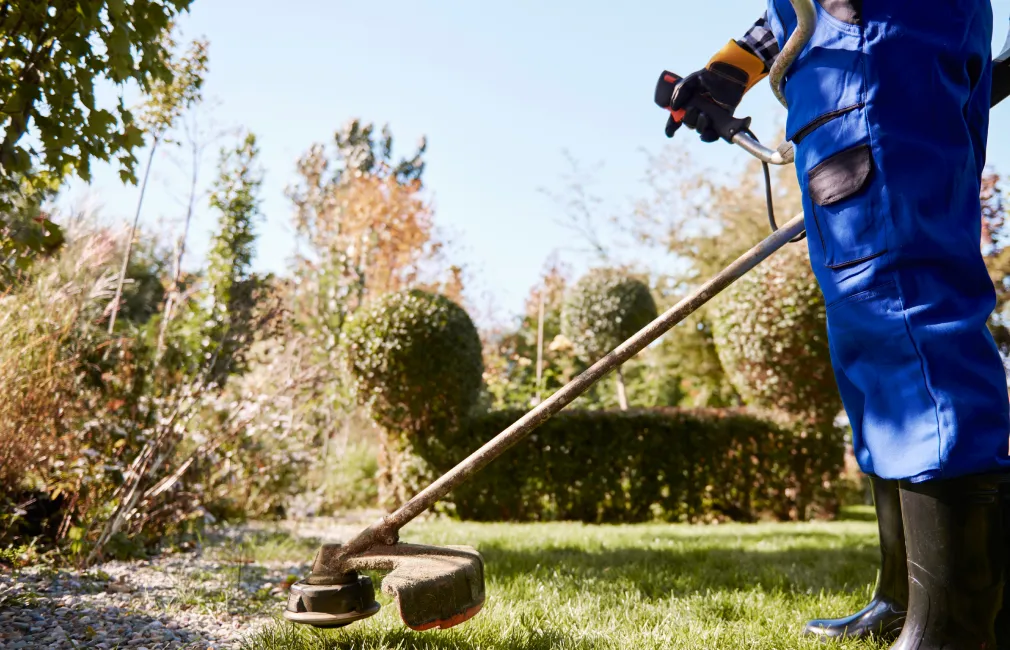
Edging and Trimming
-
Seasonal Mowing Adjustments
-
Commercial Property Mowing
-
Eco-Friendly Lawn Mowing
Our Lawn Mowing Process
Site Evaluation
Equipment Preparation
Mowing Execution
Edging and Trimming
Cleanup
Why Choose Punta Rassa Landscape Services
-
Punta Rassa Homeowners Trust Us
-
Expert Lawn Maintenance
-
Reliable Scheduling
-
Competitive Pricing
-
Professional Team
-
Satisfaction Guarantee
-
Personalized Service
Coordinating Lawn Mowing Services With Lee County Departments in Punta Rassa
Punta Rassa is an unincorporated community in Lee County, meaning residents coordinate lawn maintenance matters through county-level departments rather than a municipal government. Property owners and managers should be aware that Lee County oversees right-of-way maintenance, vegetative debris collection, and stormwater infrastructure protection throughout the Punta Rassa area. Grass clippings, trimmings, and organic debris must not be deposited into swales, drainage ditches, canal edges, or stormwater inlets, as these discharge into the Caloosahatchee River estuary and surrounding tidal waters. Residents should verify current yard waste collection schedules and bundling requirements through Lee County's solid waste division, as pickup days and accepted materials may vary by route. For questions about swale maintenance or right-of-way mowing responsibilities adjacent to county roads, the Lee County Department of Transportation manages roadside infrastructure and drainage conveyance.
Lee County Department of Transportation
P.O. Box 398, Fort Myers, FL 33902
Official Website: Lee County Department of Transportation
- Confirm yard waste pickup schedules and container requirements before placing clippings curbside
- Keep all mowing debris away from canal banks, stormwater inlets, and roadside swales
- Contact Lee County for guidance on right-of-way mowing obligations along county-maintained roads
- Review any site-specific drainage easement restrictions before mowing near retention areas
How Punta Rassa's Coastal Gulf Environment Shapes Lawn Mowing Demands
Punta Rassa sits at the southwestern tip of the Florida mainland where the Caloosahatchee River meets San Carlos Bay, placing it squarely within a Gulf Coast subtropical environment. This location, classified within USDA Hardiness Zone 10b, produces year-round warm-season turf growth with peak intensity from May through October. Several environmental factors directly affect mowing frequency and technique:
- Salt exposure: Persistent salt spray and brackish groundwater influence limit viable turf species largely to salt-tolerant varieties such as St. Augustinegrass (particularly Palmetto and Bitter Blue cultivars) and certain bermudagrass selections
- Sandy coastal soils: Soils in the Punta Rassa area tend toward poorly drained fine sands with a high water table, often saturated during the wet season, which accelerates turf growth and increases mowing frequency
- Humidity and fungal pressure: Sustained humidity above 80 percent during summer months promotes gray leaf spot and take-all root rot in St. Augustinegrass, conditions worsened by mowing too low or mowing with dull blades that tear leaf tissue
- Wet-season rainfall: Annual rainfall in this part of Lee County typically exceeds 55 inches, with the majority falling between June and September, creating conditions where turf may require mowing every five to seven days during peak growth
The UF/IFAS Gardening Solutions lawn maintenance resources provide regionally calibrated guidance on mowing heights and seasonal care for these warm-season turf types.
Navigating Lee County's Regulatory Framework for Lawn Mowing Compliance
Lee County enforces property maintenance standards through its code compliance division, which addresses overgrown vegetation, visibility obstructions along roadways, and nuisance conditions on residential and commercial parcels. Property owners in Punta Rassa should be aware of the following regulatory considerations:
- Lee County's land development code includes provisions for maintaining vegetation on developed lots; failure to maintain turf and groundcover may result in code enforcement action
- Any herbicide or pesticide application associated with lawn care must comply with Florida Statutes Chapter 487, which requires commercial applicators to hold valid licensure through the Florida Department of Agriculture and Consumer Services
- Lawn care operators working near stormwater conveyance systems must comply with the Florida DEP NPDES Stormwater Program, which prohibits discharge of sediment, clippings, or chemical runoff into waters of the state
- Lee County's fertilizer ordinance restricts nitrogen and phosphorus application during the summer rainy season; residents should verify current blackout dates and application rates through the county before fertilizing in conjunction with mowing services
Lee County Department of Community Development
1500 Monroe Street, Fort Myers, FL 33901
Official Website: Lee County Department of Community Development
Timing and Technical Standards for Lawn Mowing in Punta Rassa's Climate
Professional mowing standards in Punta Rassa must account for the area's intense heat, high humidity, and prolonged wet season. Proper technique reduces turf stress, limits disease entry points, and protects the surrounding coastal drainage network.
- Mowing height: St. Augustinegrass should be maintained at 3.5 to 4 inches during summer months to promote deeper root development and shade out weed competition; bermudagrass lawns are typically maintained at 1 to 2 inches depending on cultivar
- Mowing frequency: During the wet season (June through September), weekly mowing is generally necessary; during the cooler dry season (November through March), biweekly mowing is often sufficient as growth slows
- Time of day: Mowing during early morning hours allows cut leaf blades to dry before afternoon humidity peaks, reducing fungal infection risk
- Blade maintenance: Sharpen mower blades regularly to produce clean cuts; ragged cuts from dull blades create entry points for pathogens common in Punta Rassa's humid environment
- Clipping management: Returning clippings to the turf surface recycles nutrients and reduces the volume of organic material requiring curbside disposal, consistent with UF/IFAS lawn care guidance; however, excessive clipping accumulation should be collected to prevent thatch buildup and smothering
Lee County Parks and Recreation
3410 Palm Beach Boulevard, Fort Myers, FL 33916
Official Website: Lee County Parks and Recreation
Residents adjacent to county parks or public greenways should coordinate mowing along shared boundaries to maintain consistent turf height and prevent encroachment of invasive vegetation.
What Neighborhoods Do We Serve Throughout Punta Rassa, FL?
- Sanibel Harbour: Waterfront properties in this area face elevated salt exposure and wind-driven sand, requiring salt-tolerant turf selections and more frequent blade sharpening due to abrasive soil particles
- Iona: This nearby unincorporated community features a mix of older residential lots with mature tree canopy and newer subdivisions on fill soils, creating variable shade and drainage conditions that affect mowing schedules
- South Fort Myers: Properties along the McGregor Boulevard corridor often include canal-adjacent lots where mowing crews must take care to prevent clippings from entering waterway edges and stormwater conveyances
- San Carlos Park: Subdivisions in this area commonly feature swale-based drainage systems and relatively flat terrain with sandy soils, requiring attention to mowing patterns that do not compact swale bottoms or redirect surface flow
- Cypress Lake: Established neighborhoods here include dense landscaping and irrigation-dependent turf, where mowing timing must be coordinated with sprinkler schedules to avoid cutting wet grass