
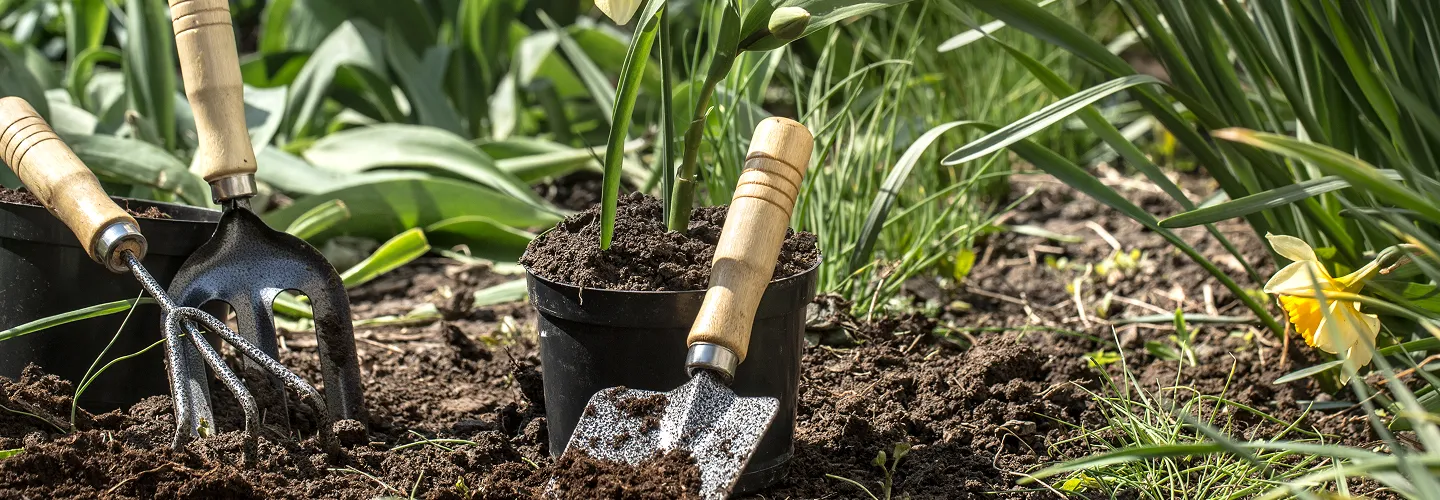
Punta Rassa Weeding Services
Choose our professional weeding services for a healthier, more beautiful yard—our experienced team removes unwanted growth efficiently, ensuring your plants thrive and your property always looks its best.
Get a Free QuoteOur Punta Rassa Landscaping & Yard Care Services
When to Schedule Weeding in Punta Rassa, Florida – Seasonal Guide
In Punta Rassa, Florida, the timing of weeding services is crucial due to the region’s unique subtropical climate and proximity to the Caloosahatchee River. The best periods for weeding are typically late winter through early spring and again in late summer, when temperatures are moderate and rainfall is more predictable. This approach helps prevent weed proliferation before the intense summer growth period and after the rainy season, which can encourage rapid weed resurgence.
Local factors such as the sandy soils near Sanibel Causeway, the shaded lots in the Shell Point area, and the higher humidity levels along McGregor Boulevard all play a role in determining the optimal weeding schedule. Homeowners should also consider Punta Rassa’s average last frost date in early February and the potential for drought conditions in late spring. For more information on local environmental guidelines, visit the Sudbury municipal resource.
Local Factors to Consider for Weeding in Punta Rassa
- Tree density and shade coverage, especially in neighborhoods like Shell Point
- Soil type, with sandy and well-drained soils requiring different approaches than denser soils
- Seasonal precipitation patterns and risk of drought
- Proximity to water bodies, which can influence humidity and weed growth
- Municipal restrictions or guidelines on herbicide use
- Terrain and landscape features, such as sloped yards or proximity to natural preserves
Benefits of Weeding in Punta Rassa
Enhanced Curb Appeal
Healthier Plant Growth
Reduced Pest Infestation
Improved Soil Quality
Increased Property Value
Professional and Reliable Service
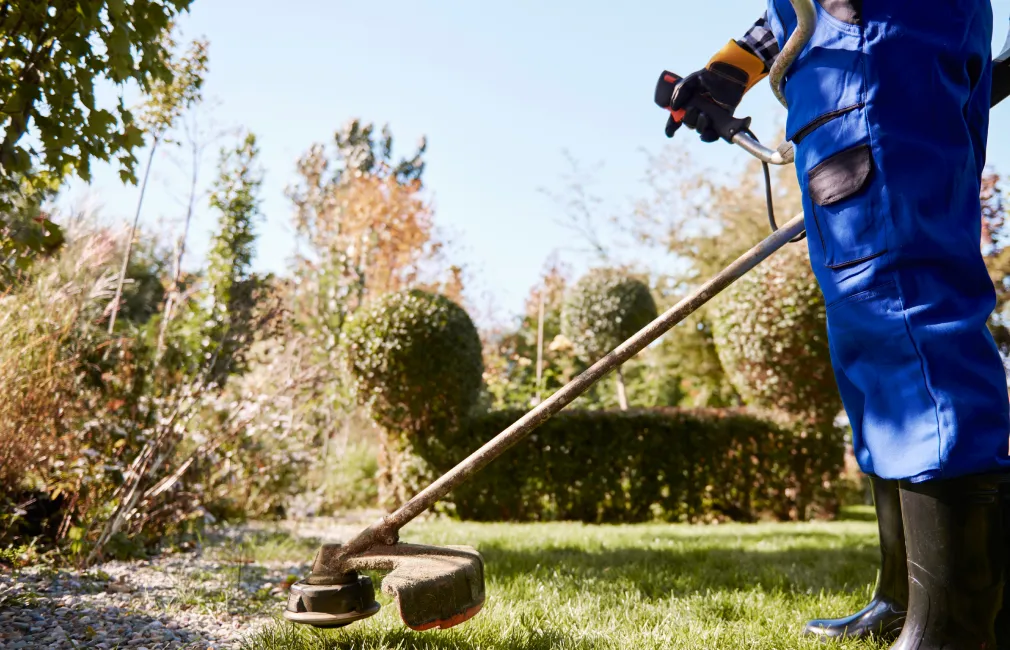
Punta Rassa Weeding Types

Hand Weeding
-
Mulch Application
-
Pre-Emergent Weed Control
-
Post-Emergent Herbicide Treatment
-
Landscape Fabric Installation
-
Mechanical Weed Removal
-
Selective Weed Spraying
Our Weeding Process
Site Evaluation
Weed Identification
Manual Removal
Soil Cultivation
Preventative Measures
Why Choose Punta Rassa Landscape Services
-
Punta Rassa Homeowners Trust Us
-
Expert Lawn Maintenance
-
Reliable Scheduling
-
Competitive Pricing
-
Professional Team
-
Satisfaction Guarantee
-
Personalized Service
Coordinating Weeding Services With Lee County Departments in Punta Rassa
Punta Rassa is an unincorporated community in Lee County, meaning all land-use oversight, code compliance, and public works coordination falls under county jurisdiction. Property owners and managers who maintain landscape beds, hardscape edges, and common-area plantings should be aware that Lee County enforces property maintenance standards that include control of nuisance vegetation and overgrowth along rights-of-way, swales, and drainage easements. Weed debris removed from beds and hardscape borders is classified as vegetative yard waste and must be disposed of according to county collection guidelines. Residents should verify current pickup schedules and bundling requirements through Lee County's solid waste resources rather than depositing pulled weeds near canal banks, stormwater inlets, or swale edges.
- Confirm yard waste collection rules before placing pulled weed material curbside
- Keep weed debris away from drainage swales, canal edges, and stormwater inlets
- Report overgrown or neglected parcels through Lee County code compliance channels
- Coordinate with your HOA or property management company regarding common-area weeding schedules
Lee County Department of Community Development
1500 Monroe Street, Fort Myers, FL 33901
Official Website: Lee County Department of Community Development
How Punta Rassa's Coastal Soils and Subtropical Climate Intensify Weed Pressure
Punta Rassa sits at the southwestern tip of the Florida mainland where the Caloosahatchee River meets San Carlos Bay, placing it squarely within USDA Hardiness Zone 10b. This Gulf Coast location produces year-round warmth, high humidity, and a pronounced wet season from roughly June through October that triggers aggressive weed germination cycles. The area's sandy coastal soils—often shell-influenced and low in organic matter—drain rapidly but leach nutrients quickly, creating conditions where opportunistic weeds outcompete desired plantings for available moisture and nutrition. Salt spray exposure along waterfront parcels further stresses ornamental beds, giving salt-tolerant invasive species a competitive advantage. The USDA Plant Hardiness Zone Map confirms the tropical-subtropical classification that drives nearly continuous weed growth in this area.
- Sandy, shell-influenced soils with rapid drainage and low nutrient retention
- Year-round warm temperatures eliminate natural winter dormancy for most weed species
- Wet-season rainfall triggers multiple germination flushes between June and October
- Salt exposure near the bay favors salt-tolerant invasive weeds over ornamental plantings
- High water table in low-lying areas creates saturated zones where sedges and moisture-loving weeds thrive
Navigating Punta Rassa's Regulatory Framework for Herbicide Use and Runoff Prevention
Any chemical weed control applied in Punta Rassa must comply with Florida's pesticide regulations. Under Florida Statutes Chapter 487, commercial applicators who apply herbicides for compensation must hold valid certification through the Florida Department of Agriculture and Consumer Services (FDACS). Property owners applying herbicides on their own residential property are not required to hold a license but must still follow all label directions, which carry the force of law. Given Punta Rassa's proximity to San Carlos Bay and the Caloosahatchee estuary, the Florida DEP NPDES Stormwater Program imposes additional expectations regarding pollutant discharge prevention into surface waters.
- Verify that any hired applicator holds current FDACS certification before herbicide application
- Never apply herbicides within buffer zones adjacent to canals, tidal waters, or stormwater retention areas unless the product label explicitly permits it
- Avoid herbicide application when rain is forecast within 24 hours to prevent runoff into nearby waterways
- Lee County's fertilizer ordinance restrictions, aligned with Florida Statutes §403.9337, may also affect combination weed-and-feed products during summer blackout periods—verify current local restrictions before use
Lee County Utilities
Official Website: Lee County Utilities
Timing Weeding Around Punta Rassa's Wet Season and Coastal Growing Cycles
Professional weeding in Punta Rassa requires scheduling that accounts for the area's nearly continuous growing season and the dramatic acceleration of weed growth during the wet months. Pre-emergent treatments, when used, should be applied before the onset of the wet season in late May or early June and again in early fall to intercept cool-season weed germination. Hand weeding and mechanical removal are most effective when performed before weeds reach seed set, which in this climate can occur rapidly—sometimes within weeks of germination. Integrated pest management (IPM) principles recommend combining cultural practices with targeted intervention.
- Apply pre-emergent herbicides before major germination windows: late spring and early fall
- Hand-pull or hoe weeds when soil is moist after rain for easier root extraction
- Remove weeds before they flower and set seed to reduce future weed bank pressure
- Maintain mulch depth of approximately two to three inches in landscape beds to suppress germination
- Inspect bed edges, hardscape joints, and irrigation head surrounds where weed establishment is most persistent
- Schedule post-emergent spot treatments during dry periods to maximize herbicide uptake and minimize runoff risk
Lee County Parks and Recreation
Official Website: Lee County Parks and Recreation
What Neighborhoods Do We Serve Throughout Punta Rassa, FL?
- Punta Rassa Condominiums — Waterfront units along San Carlos Bay with shared landscape beds exposed to salt spray, requiring frequent removal of salt-tolerant invasive weeds from ornamental plantings and walkway edges.
- Sanibel Harbour — Resort-adjacent properties with extensive irrigated beds and tropical plantings where high moisture and mulched areas create persistent weed pressure year-round.
- Iona-McGregor Corridor — Nearby residential parcels along McGregor Boulevard with mature landscaping, canal-adjacent lots, and mixed sandy-fill soils that support rapid weed establishment in beds and along swale edges.
- Siesta Isles — Canal-front homes with irrigated landscape beds where proximity to water and nutrient-rich runoff zones intensify sedge and broadleaf weed growth throughout the wet season.
- Town Center of Fort Myers Beach (adjacent service area) — Commercial and residential properties near Estero Boulevard with compacted fill soils and high foot traffic that create unique weed colonization patterns along hardscape borders and planting strips.