
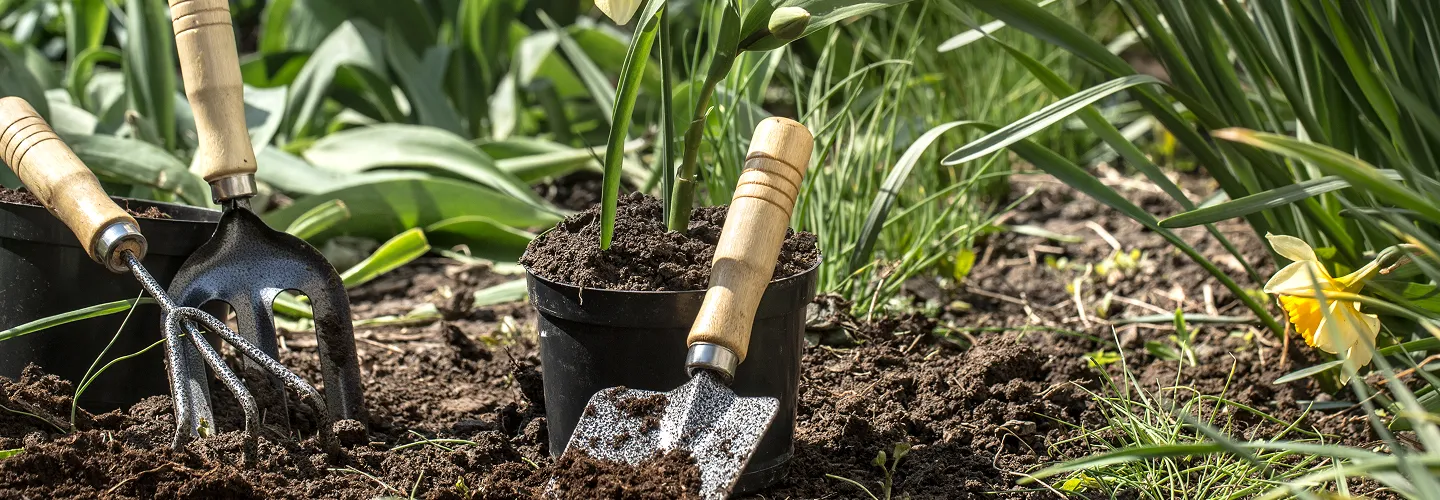
Punta Rassa Lawn Aeration Services
Choose our expert lawn aeration services to revitalize your grass, improve soil health, and ensure a lush, resilient lawn that thrives all year long.
Get a Free QuoteOur Punta Rassa Landscaping & Yard Care Services
When to Schedule Lawn Aeration in Punta Rassa, Florida – Seasonal Guide
In Punta Rassa, Florida, the best time to schedule lawn aeration is typically during the late spring through early summer, when warm-season grasses like St. Augustine and Bermuda are actively growing. This timing allows your lawn to recover quickly and take full advantage of the improved soil aeration, especially after the cooler, drier winter months have passed. Punta Rassa’s proximity to the Caloosahatchee River and the Gulf means humidity levels rise quickly in late spring, creating ideal conditions for root development and nutrient uptake.
Local factors such as the sandy soils common in neighborhoods near Punta Rassa Cove, the risk of drought during late winter, and the shade provided by mature palms and oaks in areas like John Morris Road all play a role in determining the optimal aeration window. It’s also important to consider the region’s last frost date—usually in late January—and the onset of the rainy season, which can impact soil compaction and moisture levels. For more information on local environmental guidelines, visit the Sudbury municipal site.
Local Factors to Consider for Lawn Aeration in Punta Rassa
- Tree density and shade coverage, especially in established neighborhoods
- Soil type (sandy vs. clay) and drainage characteristics
- Seasonal precipitation patterns and risk of drought
- Proximity to saltwater or brackish environments
- Municipal watering restrictions or landscaping ordinances
- Terrain slope and risk of runoff during heavy rains
Benefits of Lawn Aeration in Punta Rassa

Improved Soil Health
Enhanced Grass Growth
Better Water Absorption
Reduced Soil Compaction
Increased Nutrient Uptake
Stronger, Greener Lawns
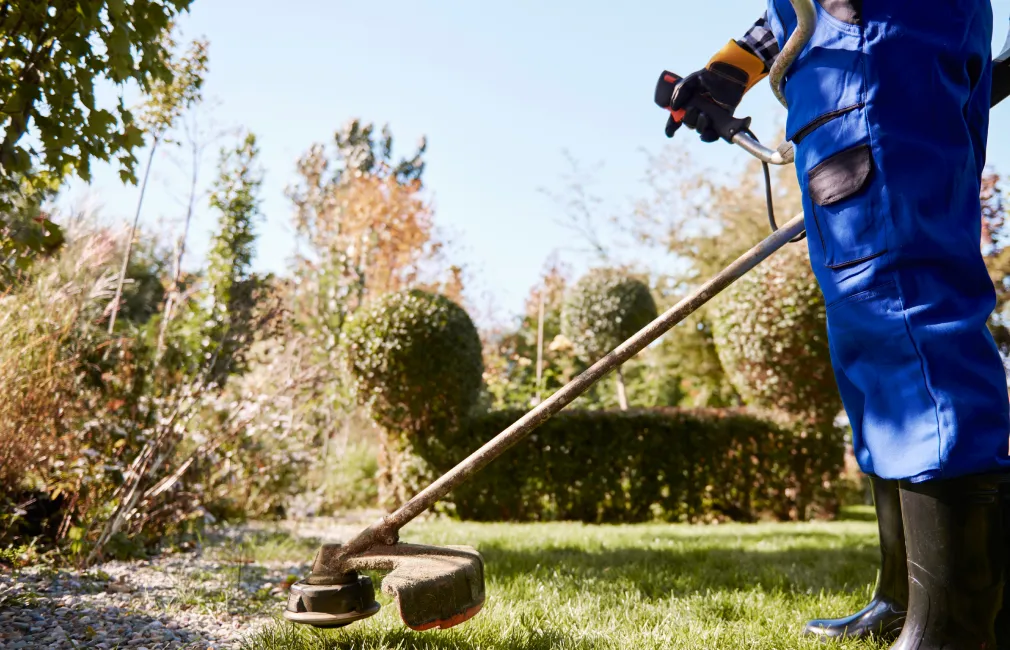
Punta Rassa Lawn Aeration Types

Core Aeration
-
Spike Aeration
-
Liquid Aeration
-
Slicing Aeration
-
Plug Aeration
-
Manual Aeration
-
Mechanical Aeration
Our Lawn Aeration Process
Site Evaluation
Preparation
Core Aeration
Cleanup
Post-Aeration Recommendations
Why Choose Punta Rassa Landscape Services
-
Punta Rassa Homeowners Trust Us
-
Expert Lawn Maintenance
-
Reliable Scheduling
-
Competitive Pricing
-
Professional Team
-
Satisfaction Guarantee
-
Personalized Service
Coordinating Lawn Aeration Services with Lee County Departments in Punta Rassa
Punta Rassa is an unincorporated community in Lee County, meaning residents coordinate land-use and infrastructure matters through county-level departments rather than a municipal government. For lawn aeration projects that involve work near county-maintained swales, drainage easements, or rights-of-way, property owners should verify site boundaries and any applicable restrictions through the Lee County Department of Community Development before scheduling equipment access. Aeration equipment can disturb shallow utility lines or irrigation infrastructure within easements, so confirming the location of buried utilities through Florida's 811 service is a necessary preliminary step.
- Contact Lee County's community development office to confirm whether your parcel includes drainage easements or stormwater management areas that may restrict mechanical aeration
- Verify irrigation system layouts before core aeration to avoid damaging supply lines, valve boxes, or emitter heads
- Properties adjacent to county-maintained swales or canal banks should ensure aeration cores and loosened soil do not migrate into drainage infrastructure
Lee County Department of Community Development
1500 Monroe Street, Fort Myers, FL 33901
Official Website: Lee County Department of Community Development
Residents who use reclaimed water or are subject to specific irrigation schedules through Lee County Utilities should also coordinate aeration timing with their watering windows, as post-aeration irrigation is critical for turf recovery.
Lee County Utilities
1500 Monroe Street, Fort Myers, FL 33901
Official Website: Lee County Utilities
How Punta Rassa's Coastal Soils and Salt Exposure Affect Lawn Aeration
Punta Rassa sits at the southwestern tip of the Florida peninsula where the Caloosahatchee River meets San Carlos Bay, placing it squarely within a Gulf Coast subtropical environment. This location creates a distinct set of conditions that directly influence whether, when, and how lawn aeration should be performed. The area falls within USDA Hardiness Zone 10b, with year-round warm temperatures and virtually no freeze risk.
- Sandy coastal soils: Soils in the Punta Rassa area are predominantly sandy, often with shell fragments and limited organic matter. These soils drain rapidly but can develop surface compaction from foot traffic, vehicle parking on turf, and salt-laden wind deposits that crust the soil surface.
- High water table: The water table in this low-lying coastal zone frequently sits within a few feet of the surface, particularly during the wet season from June through October. Aeration must account for saturated conditions that can make core extraction ineffective or cause equipment rutting.
- Salt exposure: Persistent salt spray from San Carlos Bay and the Gulf of Mexico can accumulate in the upper soil profile, reducing infiltration and stressing warm-season turf. Aeration can help flush salt deposits below the root zone when followed by adequate irrigation.
- Nutrient leaching: The rapid drainage characteristic of sandy coastal soils means that nutrients applied after aeration can leach quickly into groundwater or migrate toward nearby surface waters, as noted in UF/IFAS guidance on protecting Florida's water resources.
Navigating Stormwater and Environmental Compliance for Lawn Aeration in Punta Rassa
Lawn aeration in Punta Rassa requires awareness of environmental regulations tied to the area's sensitive coastal and estuarine setting. While aeration itself does not typically require a permit, the activity intersects with stormwater management and water quality protections that apply throughout Lee County.
- Lee County operates under a Municipal Separate Storm Sewer System (MS4) permit administered through the Florida DEP NPDES Stormwater Program. Soil cores, sediment, and organic debris generated during aeration must not be allowed to enter storm drains, swales, canal banks, or retention areas.
- Any pesticide or soil amendment applied in conjunction with aeration must comply with Florida Statutes Chapter 487, which governs pesticide regulation and requires proper applicator licensing through the Florida Department of Agriculture and Consumer Services.
- Lee County's fertilizer ordinance, consistent with Florida Statutes §403.9337, restricts fertilizer application during the summer rainy season. Property owners who plan to fertilize after aeration should verify current blackout dates and application requirements through Lee County before proceeding.
- Properties bordering mangrove buffers, tidal wetlands, or conservation easements near San Carlos Bay should confirm that aeration equipment and soil disturbance remain within the maintained turf area and do not encroach into protected zones.
Timing and Methods for Lawn Aeration on Punta Rassa's Warm-Season Turf
Effective lawn aeration in Punta Rassa depends on aligning the process with the active growth cycles of warm-season turfgrasses common to this region, including St. Augustinegrass, bahiagrass, and zoysiagrass. According to UF/IFAS lawn maintenance guidance, aeration should be performed when turf is actively growing and capable of rapid recovery.
- Optimal timing: Late spring through early summer—typically April through June—represents the strongest growth window for warm-season turf in Punta Rassa. Aerating during this period allows the turf to fill in quickly before the heaviest rains arrive in July and August.
- Core aeration depth: Professional core aeration commonly targets roughly two to three inches of penetration, extracting soil plugs that relieve compaction and improve water and air movement into the root zone.
- Avoid saturated conditions: Aerating when soils are waterlogged—common during peak wet season—can smear soil rather than fracture it, negating the benefits. Equipment can also cause significant rutting on Punta Rassa's low-lying, sandy lots during these periods.
- Post-aeration irrigation: Irrigate lightly after aeration to help cores break down and settle. Coordinate watering with any applicable irrigation restrictions administered by the South Florida Water Management District.
- Site-specific assessment: Not every lawn in Punta Rassa requires annual aeration. Sandy soils with minimal traffic may not develop significant compaction. Aeration should be based on observed conditions—poor drainage, thinning turf, or visible surface crusting—rather than applied as a universal annual practice.
What Neighborhoods Do We Serve Throughout Punta Rassa, FL?
- Punta Rassa: This waterfront community at the terminus of McGregor Boulevard features properties with direct exposure to San Carlos Bay, where salt spray and sandy, shell-influenced soils create surface crusting that may benefit from periodic core aeration.
- Sanibel Harbour: Residential areas near the Sanibel Harbour resort corridor sit on low-elevation fill soils with managed stormwater systems, requiring careful coordination of aeration timing around wet-season drainage patterns.
- Iona: Located just northeast of Punta Rassa along McGregor Boulevard, Iona's established residential lots often feature mature St. Augustinegrass lawns on compacted sandy soils that can benefit from aeration to improve irrigation penetration.
- South Fort Myers: This broader area includes subdivisions with varied lot sizes, mixed fill and native sandy soils, and proximity to canal systems where post-aeration sediment management is important for stormwater protection.
- San Carlos Park: Inland from Punta Rassa, San Carlos Park features newer subdivision development on graded fill soils that are prone to compaction from construction activity, making aeration a relevant consideration for turf establishment and recovery.