
Punta Rassa Flower Planting Services
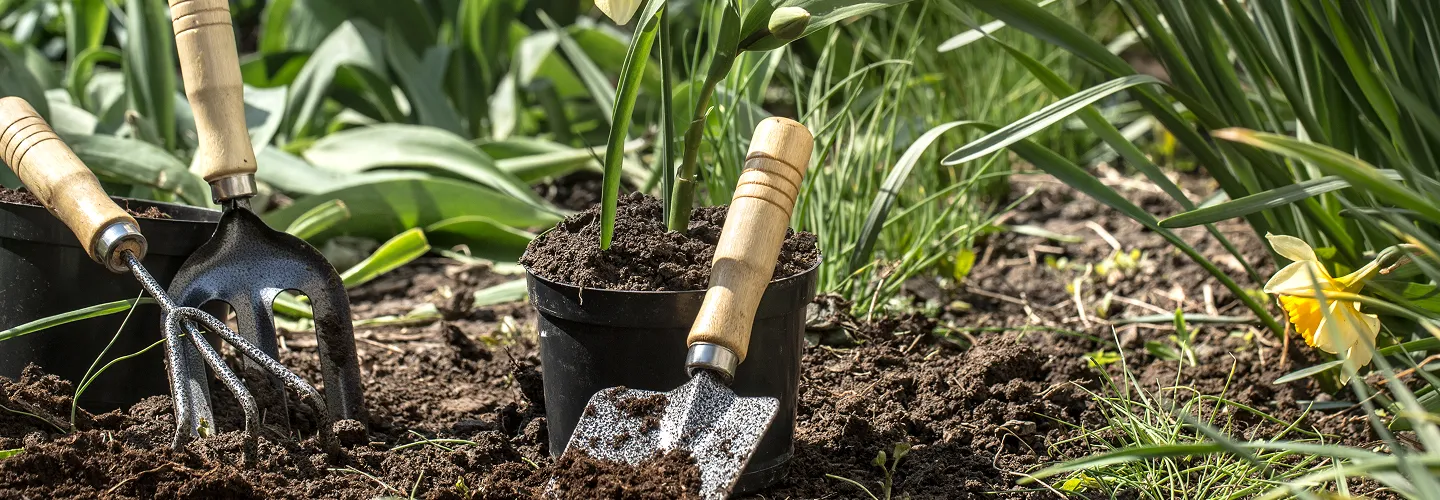
Choose our flower planting services for vibrant, expertly arranged blooms that enhance your curb appeal and thrive in Punta Rassa’s unique climate—bringing lasting beauty and value to your property.
Get a Free QuoteOur Punta Rassa Landscaping & Yard Care Services
When to Schedule Flower Planting in Punta Rassa, Florida – Seasonal Guide
In Punta Rassa, Florida, the timing of flower planting is crucial for achieving vibrant, long-lasting blooms. Thanks to our subtropical climate, residents in neighborhoods like Sanibel View and the areas near Bunche Beach enjoy a longer growing season than much of the country. However, optimal planting windows are shaped by local weather patterns, including the mild winters and humid summers typical of our region. Most flower planting is best scheduled for late winter through early spring, after the last frost date—usually in early February—when soil temperatures begin to rise and the risk of cold snaps diminishes.
Local environmental factors play a significant role in determining the best time to plant. Punta Rassa’s proximity to the Caloosahatchee River and the Gulf means higher humidity and occasional salt spray, which can affect soil salinity and plant selection. Areas with dense shade from mature palms or oaks, such as those near the Punta Rassa Boat Ramp, may require different timing or flower varieties than sunnier, open lots. It’s also important to consider municipal guidelines and water restrictions, which can be found on the town’s official website, to ensure compliance and sustainable landscaping practices.
Local Factors to Consider for Flower Planting in Punta Rassa
- Tree density and shade coverage in your yard
- Soil type and drainage, especially near waterfront properties
- Average precipitation and drought risk during spring and summer
- Proximity to saltwater or brackish environments
- Municipal watering restrictions and planting guidelines
- Terrain variations, such as elevation and slope
- Neighborhood-specific microclimates (e.g., near Sanibel View or Bunche Beach)
Benefits of Flower Planting in Punta Rassa
Expert Local Knowledge
Customized Landscape Designs
Seasonal Plant Selection
Enhanced Curb Appeal
Eco-Friendly Practices
Reliable Maintenance Services
Punta Rassa Flower Planting Types

Annual Flower Beds
-
Perennial Garden Design
-
Native Wildflower Plantings
-
Seasonal Color Rotations
-
Pollinator-Friendly Gardens
-
Shade-Loving Flower Arrangements
-
Drought-Tolerant Flower Selections
Our Flower Planting Process
Site Evaluation
Soil Preparation
Flower Selection
Planting
Watering and Mulching
Why Choose Punta Rassa Landscape Services
-
Punta Rassa Homeowners Trust Us
-
Expert Lawn Maintenance
-
Reliable Scheduling
-
Competitive Pricing
-
Professional Team
-
Satisfaction Guarantee
-
Personalized Service
Coordinating Flower Planting Projects with Lee County Departments in Punta Rassa
Punta Rassa is an unincorporated community in Lee County, meaning all land-use oversight, landscaping guidance, and environmental review fall under county-level departments rather than a municipal government. Residents and property managers planning flower planting projects should coordinate with Lee County's Department of Community Development for any site work that intersects with development review, land-use compliance, or planting within regulated buffers adjacent to waterways and conservation areas. Because Punta Rassa sits at the mouth of the Caloosahatchee River near the Sanibel Causeway, flower planting near shoreline setbacks or within drainage easements may require additional review to ensure compliance with environmental protection standards.
- Confirm whether planting areas fall within county-maintained rights-of-way, drainage easements, or conservation overlays before beginning work
- Coordinate irrigation connections or modifications through Lee County Utilities to verify water service compatibility
- Review any applicable landscape requirements through the county's development review process, particularly for properties in planned developments
Lee County Department of Community Development
1500 Monroe Street, Fort Myers, FL 33901
Official Website: Lee County Department of Community Development
How Punta Rassa's Coastal Soils and Salt Exposure Shape Flower Planting
Punta Rassa's position on the southwestern tip of the Florida mainland, where the Caloosahatchee River meets San Carlos Bay, creates a demanding environment for flower planting. The community falls within USDA Hardiness Zone 10b, as indicated by the USDA Plant Hardiness Zone Map, which supports a wide range of tropical and subtropical flowering species but also introduces several site-specific challenges.
- Sandy, shell-influenced soils: Punta Rassa's soils are predominantly sandy with shell fragments, resulting in rapid drainage and low nutrient retention. Organic soil amendments are typically necessary to support flower establishment and sustained bloom cycles.
- Salt spray and wind exposure: The community's direct waterfront position subjects planting beds to persistent salt-laden winds, requiring species selection that tolerates saline conditions—such as blanket flower, beach sunflower, dune sunflower, and sea oxeye daisy.
- High water table and tidal influence: Groundwater levels fluctuate with tidal cycles and seasonal rainfall, which can saturate root zones during the wet season (June through October) and create drought-like conditions during the dry season.
- Intense solar radiation: Full-sun exposure across most residential lots means flower beds face sustained heat stress, particularly on south- and west-facing exposures adjacent to driveways, seawalls, and light-colored structures that reflect heat.
Soil testing through the UF/IFAS Extension in Lee County is advisable before amending beds, as pH levels in shell-rich soils can run alkaline, affecting nutrient availability for acid-preferring species.
Navigating Lee County's Zoning and Environmental Rules for Flower Planting
Flower planting in Punta Rassa must account for Lee County's land development code, environmental overlay districts, and stormwater management requirements. While routine residential flower bed installation does not typically require a permit, several regulatory layers apply when planting occurs near protected areas, within development buffers, or as part of a larger landscape modification.
- Properties adjacent to mangrove-lined shorelines, wetlands, or conservation easements must avoid disturbing protected vegetation buffers; verify setback and buffer requirements through Lee County Zoning
- Any soil amendments, fertilizers, or pest-control products applied to flower beds must comply with Lee County's fertilizer ordinance, which restricts nitrogen and phosphorus application during the summer rainy season; verify current blackout dates through the Florida-Friendly Fertilizer Ordinances resource
- Pesticide applications beyond routine homeowner use require proper licensing through the Florida Department of Agriculture and Consumer Services
- Runoff from freshly amended or fertilized beds must not discharge into stormwater conveyances, swales, or directly into the Caloosahatchee River or San Carlos Bay, consistent with the Florida DEP NPDES Stormwater Program
Lee County Parks and Recreation
Official Website: Lee County Parks and Recreation
Timing Flower Planting Around Punta Rassa's Wet Season and Coastal Heat Cycles
Professional flower planting in Punta Rassa follows seasonal windows dictated by the region's subtropical climate. The optimal primary planting window extends from mid-October through early May, when temperatures moderate, rainfall decreases, and transplant shock is minimized. A secondary planting opportunity exists at the onset of the wet season in late May through early June, when consistent rainfall can support establishment—provided drainage is adequate and beds are not subject to standing water.
- Fall and winter planting (October–February): Ideal for cool-season annuals such as petunias, snapdragons, and dianthus, which thrive in Punta Rassa's mild winters with minimal freeze risk
- Spring planting (March–May): Transition to heat-tolerant species including pentas, lantana, porterweed, and firebush before sustained summer temperatures exceed 90°F
- Irrigation coordination: New plantings require consistent moisture during establishment; drip emitters or micro-spray heads directed at root zones reduce water waste and prevent foliar disease encouraged by overhead watering in humid conditions
- Mulch application: Maintain two to three inches of organic mulch around flower beds to moderate soil temperature, retain moisture, and suppress weed germination; keep mulch pulled back from plant stems to prevent crown rot
- Soil preparation: Incorporate composted organic matter into the top six to eight inches of native sandy soil to improve water-holding capacity and nutrient availability before setting transplants
Residents should also consult EPA WaterSense guidance for efficient irrigation practices that reduce runoff from newly planted beds into nearby waterways.
Lee County Utilities
Official Website: Lee County Utilities
What Neighborhoods Do We Serve Throughout Punta Rassa, FL?
- Punta Rassa Condominiums: Waterfront units along San Carlos Bay with shared landscape areas where salt-tolerant flower species and coordinated irrigation schedules are essential for bed longevity in high-exposure conditions.
- Sanibel Harbour: Properties near the causeway approach featuring mixed sun and partial shade from mature tropical vegetation, requiring species selection that accounts for canopy competition and reflected heat from adjacent pavement.
- Iona-McGregor corridor (nearby): Inland residential lots transitioning from coastal influence to slightly less saline conditions, with sandy fill soils in newer subdivisions that benefit from organic amendment before flower installation.
- Siesta Isles: Canal-adjacent homesites where flower bed placement must account for drainage easements, high water table fluctuations, and runoff protection for connected waterways leading to the Caloosahatchee.
- Town Center area along Summerlin Road: Commercial-adjacent properties with higher heat exposure from surrounding hardscape, where raised beds and drought-tolerant flowering species perform more reliably than ground-level installations.