
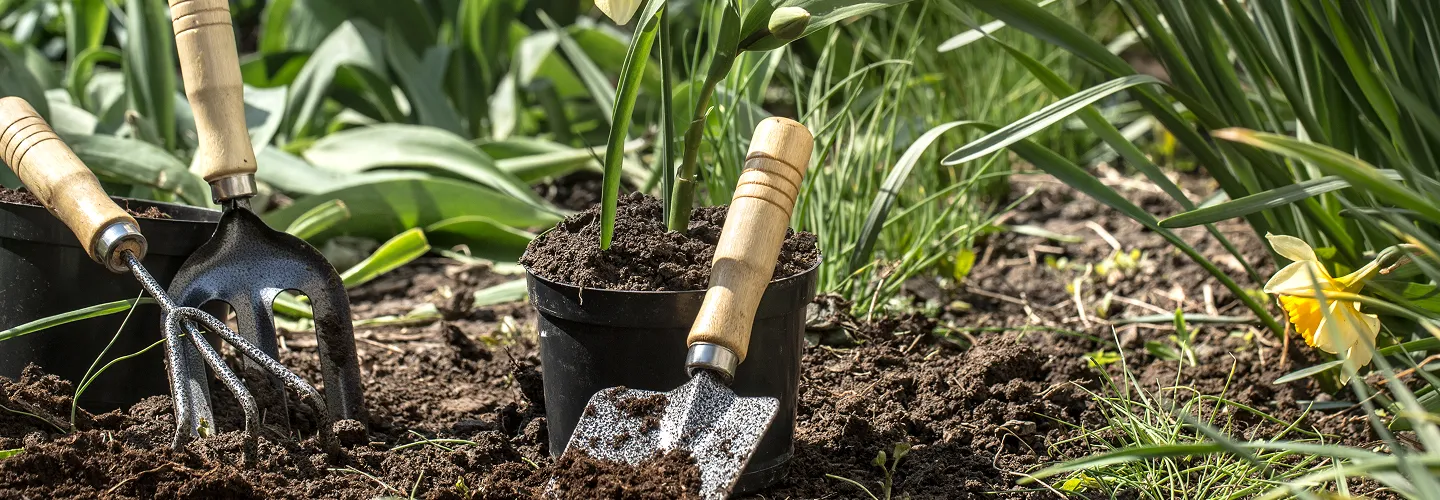
Punta Rassa Lawn Installation Services
Choose our expert lawn installation for a seamless, hassle-free transformation—enjoy a vibrant, healthy yard that boosts your home's curb appeal and value, all backed by our commitment to quality and customer satisfaction.
Get a Free QuoteOur Punta Rassa Landscaping & Yard Care Services
When to Schedule Lawn Installation in Punta Rassa, Florida – Seasonal Guide
Choosing the right time for lawn installation in Punta Rassa, Florida, is essential for achieving a healthy, resilient yard. The subtropical climate here means warm temperatures for much of the year, but optimal installation windows are typically in late spring or early fall. These periods offer moderate rainfall and milder temperatures, which help new sod or seed establish strong roots before the intense summer heat or occasional winter chills.
Local factors such as proximity to the Caloosahatchee River, the unique sandy soils of neighborhoods like Siesta Isles, and the shade provided by mature palms and oaks in areas near Punta Rassa Cove all play a role in determining the best timing. Homeowners should also consider Punta Rassa’s average last frost date, which usually falls in early February, and the potential for drought conditions during late winter. For more information on local environmental guidelines, visit the Sudbury municipal site.
Local Factors to Consider for Lawn Installation in Punta Rassa
- Tree density and shade coverage, especially in established neighborhoods
- Soil composition, with sandy soils requiring specific preparation
- Seasonal precipitation patterns and risk of drought
- Proximity to saltwater or brackish environments
- Municipal watering restrictions and local ordinances
- Terrain and drainage, particularly in low-lying areas
Benefits of Lawn Installation in Punta Rassa
Expert Local Knowledge
Premium Quality Sod
Efficient Installation Process
Customized Lawn Solutions
Enhanced Curb Appeal
Reliable Ongoing Support
Punta Rassa Lawn Installation Types

Sod Installation
-
Hydroseeding
-
Artificial Turf Installation
-
Sprigging
-
Plug Planting
-
Seeding
-
Zoysia Grass Installation
Our Lawn Installation Process
Site Evaluation
Soil Preparation
Sod or Seed Installation
Watering and Initial Care
Final Inspection
Why Choose Punta Rassa Landscape Services
-
Punta Rassa Homeowners Trust Us
-
Expert Lawn Maintenance
-
Reliable Scheduling
-
Competitive Pricing
-
Professional Team
-
Satisfaction Guarantee
-
Personalized Service
Coordinating Lawn Installation Projects Through Lee County Development Services in Punta Rassa
Punta Rassa is an unincorporated community in Lee County, which means all land-use review, site-work coordination, and development permitting fall under county-level departments rather than a municipal government. Property owners planning lawn installation should coordinate with the Lee County Department of Community Development before beginning any grade preparation or irrigation work that may affect drainage patterns, utility easements, or right-of-way areas. The department handles site-work review, land-use compliance, and development coordination for unincorporated communities throughout the county.
- Confirm whether your parcel falls within a flood zone, conservation overlay, or coastal high-hazard area before grading
- Verify setback and easement boundaries to avoid installing turf over utility corridors or drainage infrastructure
- Review any applicable HOA or deed-restriction requirements for turf species, irrigation, or landscape coverage ratios
Properties adjacent to Sanibel Causeway access roads or county-maintained swales should also confirm right-of-way limits with the county before placing sod or modifying grade near roadway edges.
Lee County Department of Community Development
1500 Monroe Street, Fort Myers, FL 33901
Official Website: Lee County Department of Community Development
How Punta Rassa's Coastal Soils and Salt Exposure Affect Lawn Installation
Punta Rassa sits at the southwestern tip of the Florida mainland where the Caloosahatchee River meets San Carlos Bay, placing it squarely within a Gulf Coast subtropical environment. This location creates a distinct set of challenges for lawn installation that differ from inland Lee County communities.
- Sandy coastal soils: The area's soils are predominantly deep, poorly graded sands with very low organic content and rapid drainage, which causes newly installed turf to dry out quickly and allows nutrients to leach below the root zone
- Salt exposure: Wind-driven salt spray from San Carlos Bay can damage salt-sensitive turf varieties; St. Augustinegrass cultivars with documented salt tolerance, such as 'Palmetto' or 'Floratam,' are generally more appropriate than bahiagrass or centipedegrass in this setting
- High water table: Despite rapid surface drainage, the seasonal water table in low-lying coastal parcels can rise to within inches of the surface during the June-through-October wet season, complicating grade preparation and root establishment
- Heat and humidity: Summer temperatures routinely exceed 90°F with humidity levels above 80 percent, accelerating fungal pressure on freshly installed sod that remains too wet
Punta Rassa falls within USDA Hardiness Zone 10b, supporting year-round warm-season turf growth but requiring careful irrigation management during establishment. The UF/IFAS Gardening Solutions lawn resources provide regionally appropriate turf selection guidance for Southwest Florida coastal properties.
Navigating Lee County Zoning and Stormwater Regulations for Lawn Installation in Punta Rassa
Lawn installation in Punta Rassa must comply with several layers of Lee County regulation, particularly where grading, fill placement, or irrigation connections are involved. Properties within flood zones—common in this low-elevation coastal area—may trigger additional review requirements through the county's development services process.
- Any site grading that alters existing drainage flow toward neighboring parcels, swales, or stormwater infrastructure may require engineering review; verify current thresholds with the county
- Irrigation system connections to Lee County Utilities must comply with the South Florida Water Management District's watering restrictions, which govern allowable irrigation days and hours by address
- Fertilizer applications during and after lawn establishment are subject to Lee County's fertilizer ordinance, which restricts nitrogen and phosphorus use during the summer rainy season; property owners should confirm current blackout dates through the Florida-Friendly Fertilizer Ordinances resource
- Any pesticide or herbicide application during site preparation must be performed by individuals holding valid credentials through the FDACS Pesticide Applicator Licensing program
Stormwater runoff from freshly graded or irrigated sites must not carry sediment, soil amendments, or fertilizer into adjacent canals, swales, or San Carlos Bay. The Florida DEP NPDES Stormwater Program establishes the regulatory framework for controlling construction-related and post-construction runoff in coastal communities.
Lee County Zoning
1500 Monroe Street, Fort Myers, FL 33901
Official Website: Lee County Zoning
Lee County Utilities
Official Website: Lee County Utilities
Timing and Methods for Lawn Installation Around Punta Rassa's Wet Season and Coastal Heat
Professional lawn installation in Punta Rassa requires careful scheduling around the area's pronounced wet and dry seasons. The optimal establishment window for warm-season sod in Southwest Florida generally falls between late April and early June, when consistent rainfall supports root development without the peak storm intensity of mid-summer.
- Grade preparation: Remove existing vegetation, correct low spots, and establish positive drainage away from structures and toward designated swales or retention areas before laying sod; compacted subgrade should be loosened to a depth of roughly four to six inches
- Soil amendment: Sandy coastal soils benefit from incorporation of organic matter to improve moisture retention, but amendments should be mixed into the top several inches rather than layered on the surface where they may wash off during heavy rain
- Irrigation sequencing: Newly installed sod typically requires frequent, light watering during the first two to three weeks to prevent desiccation in Punta Rassa's heat; watering should occur during early morning hours to reduce evaporation and comply with local irrigation schedules
- Runoff control: Silt fencing, staked erosion blankets, or temporary barriers should be placed along any downslope edge adjacent to canals, storm drains, or waterfront areas to prevent sediment migration during the establishment period
- Turf selection: St. Augustinegrass remains the most widely installed species in coastal Lee County due to its salt tolerance, shade adaptability, and compatibility with the region's sandy soils; zoysiagrass may be appropriate for full-sun parcels with well-drained profiles
Avoid installing sod during peak hurricane season months when heavy rainfall and wind can displace unrooted turf panels and carry loose soil into waterways.
What Neighborhoods Do We Serve Throughout Punta Rassa, FL?
- Punta Rassa Condominiums: Waterfront units along San Carlos Bay with shared landscape areas subject to association oversight, salt-spray exposure, and limited individual lot grading flexibility
- Sanibel Harbour: Properties near the causeway approach with sandy fill soils, high irrigation demand, and proximity to tidal waterways requiring careful runoff management during lawn establishment
- Iona-McGregor corridor (adjacent): Nearby residential areas with larger lot sizes, mixed drainage conditions, and established swale systems that influence grade preparation for new turf installations
- Shell Point (adjacent): A retirement community bordering Punta Rassa with mature landscaping, canal-adjacent parcels, and HOA-regulated turf standards that often specify approved grass varieties
- Causeway Boulevard vicinity: Parcels along the main access road to Sanibel Island with county right-of-way considerations, high visibility, and exposure to road-salt and vehicle-generated debris affecting turf edges